Top-rated independent appliance repair across the Mid-South
Dryer Taking Two Cycles
If your dryer is taking two cycles to dry one load, the fix usually starts with airflow, not the heater, and we can sort it out for you. You load a normal batch of towels, hit start, and come back to warm damp laundry. So you run it again, and somewhere along the way two cycles became normal in your house. Nine times out of ten the machine is not giving up. The air just cannot get out fast enough. Here is how we track it down.
Call (888) 857-9883- Real people on the phone
- 7 days a week
- Quote in writing before any work
Taking calls until 5:00 PM CT
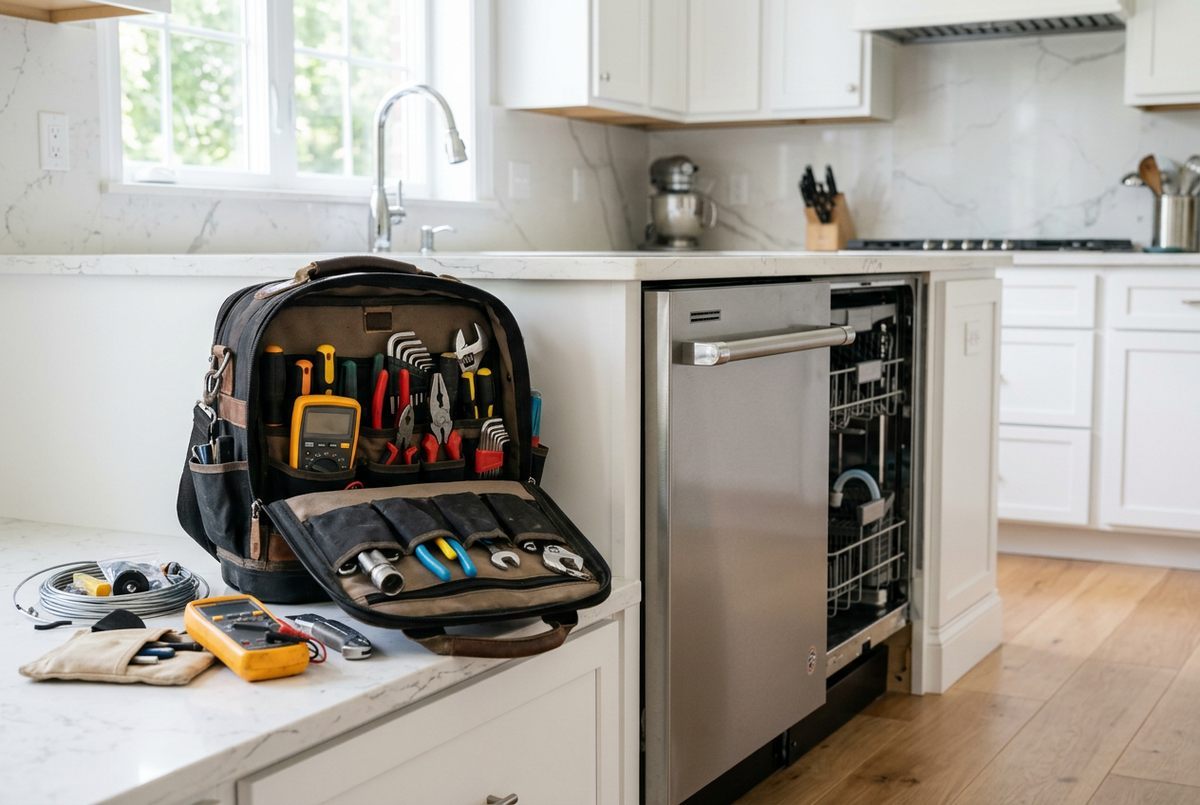
Logan Appliance Repair service team · field-reviewed before publishing
What Long Dry Times Actually Mean
A dryer does not bake clothes dry. It heats air, pushes it through the drum, and carries the moisture outside. Break any part of that loop and the heat stays put while the water never leaves. Clothes come out hot and damp, the drum feels like a sauna, and the laundry room turns humid and musty. That points hard at airflow rather than heat. If the dryer never got hot at all, we would be chasing a different set of parts. Hot but slow is an exhaust story almost every time. It gets a little worse each month until somebody clears it out.
Cause One: The Vent Line Is Choked
Start here. It is the cheapest thing to check and the most common. Lint slips past every filter and settles in the duct, and the fine clay dust we get all over Middle Tennessee packs it down like felt. Crushed foil hose behind the dryer makes it worse, and so does a long run through a crawlspace or up through an attic. Check the outside flap while a cycle runs. You want a steady warm push, not a weak breath. Birds nest in those hoods. Screens get added by well-meaning painters and clog in a season. A packed vent will also run the dryer hot enough to trip its own safety limits.
Cause Two: Lint Screen And Blower Issues
Fabric softener sheets leave a clear film on the lint screen. The mesh looks clean, but air cannot get through it. Hold the screen under running water. If water pools instead of pouring through, scrub it with dish soap and a soft brush. Then there is the blower wheel, which sits inside the machine and moves the air. Socks, coins, and pen caps sneak past the drum seal and jam it. You will often hear a rattle or a whine that comes and goes. Opening that up is our job, but the noise is a useful clue to give us on the phone.
Cause Three: Heat And Control Parts
If airflow checks out, we start looking at parts. A heating element with a broken coil still warms a little, just not enough. A weak thermostat cycles the heat off too early. Moisture sensors in the drum get coated and tell the control the load is already dry, so the machine quits early on auto settings. Storm season matters here. A power surge can cook a control board or a relay and leave you with half the heat you had last week. Try a timed dry instead of auto. If timed works and auto quits early, that narrows things down fast. Call us and tell us which one behaved.
What A Technician Does Differently
We measure instead of guess. An airflow reading at the hood tells us whether the duct is restricted and roughly how badly. We check temperature rise across the drum and compare it to what that model ought to do. We pull the vent line, run a brush the whole length, and look at what comes out. We check amp draw on the heat circuit and test thermostats and sensors both cold and hot. We look at the duct route itself, too. Too many elbows or a run that is too long will keep failing no matter how many parts get replaced. Then we tell you plainly what we found and what it needs.
Safe Checks You Can Do Right Now
Keep the panels closed. Everything here is outside the machine. Clean the lint screen and wash off any softener film. Pull the dryer out a few inches and look for a kinked or crushed hose. Feel the outside vent hood during a cycle and see if the warm air is strong. Shine a light in the hood and look for nests or lint mats. Run one load of six towels instead of a stuffed drum and see if the time improves. Check that a gas dryer's laundry room door is not sealed tight, since the machine needs make-up air. Anything past that, gas lines and internal wiring included, leave to us.
Dryer Taking Two Cycles — common questions
Can a clogged vent start a fire?
Yes. Packed lint plus trapped heat is how dryer fires start. If your dryer runs very hot, smells scorched, or shuts off mid-cycle, quit using it and call us. Clearing the duct is worth putting on a schedule.
How often should the vent be cleaned?
Once a year fits most homes. Go more often with a long duct run, a big family, pets that shed, or a crawlspace route. If dry times creep up before then, that is your reminder.
Why did this start right after a storm?
Surges damage heating relays and control boards. The dryer may still tumble and warm a little while putting out far less heat. Tell us the outage happened. That points us straight at the electrical side first.
How it works
- Step 1
Tell us the symptom
Call us or fill out the form and tell us what you hear, smell, or see. Buzzing, leaking, no heat. Plain talk is fine. We'll ask a few questions and set a visit window.
- Step 2
We come look
A technician shows up in the window, pulls the unit out, and tests it. No guessing games. We explain what failed and why, in words that make sense on your back porch.
- Step 3
We fix it
Common parts ride with us, so a lot of repairs finish on that first visit. If a part has to be ordered, we tell you plainly and set the return date before we pull out of your driveway.
- A real person answers
- Open 7 days
- Written quote before work starts
Why homeowners call us
- Storm-season surge damageLightning and blinking power hurt control boards. You get an oven that lights up but won't heat, or a washer that quits mid-cycle. We test boards and wiring before we replace anything, so you know what the surge actually took out.
- Clay dust and lintRed clay dust and lint choke dryer vents and condenser coils. That's where long dry times and a hot laundry room come from, and it's why a fridge runs nonstop. We check airflow every visit, because a clogged vent kills a good machine slowly.
- Straight talk, no runaroundWe tell you what's wrong and what it takes to fix. If a machine is worn past sense, we say that too, and you decide. No pressure and no jargon. We don't dress up an upsell as advice.
- Independent and localWe're a Nashville crew, not a call center. As an independent shop we repair all major brands. Call us and you get a real person, somebody who knows the roads we drive.
- All major brands, gas & electricIndependent service on Whirlpool, LG, Samsung, GE, Maytag, Bosch, KitchenAid and the rest.
- Straight answersNot worth fixing? We say that out loud, and often it saves you the visit fee.
About this guide
Safe checks done and it still misbehaves? That's a real fault
Tell us what you tried and what it did. The booking itself takes a minute.
- A real person answers
- Open 7 days
- Written quotes
- All major brands
- Gas & electric
Rather not call? Get a free quote →