Top-rated independent appliance repair across the Mid-South
Heavy Frost in the Freezer
Heavy ice in your freezer means either humid air is getting in or the defrost cycle quit, and both are fixable. A snowbank on the back wall, ice on the shelves, frost on the peas, and you chip it out only to see it back two weeks later. That's not something a freezer just does. It's telling you something.
Call (888) 857-9883- Real people on the phone
- 7 days a week
- Quote in writing before any work
Taking calls until 5:00 PM CT
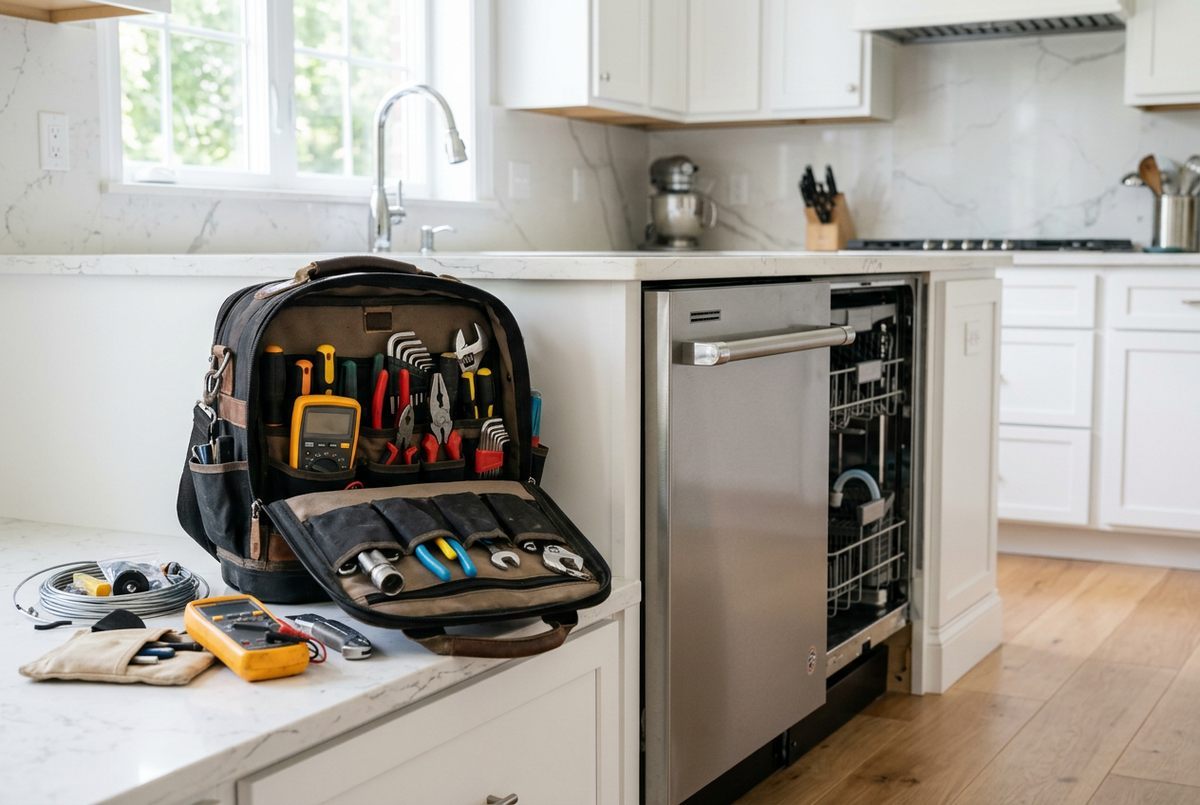
Logan Appliance Repair service team · field-reviewed before publishing
What the ice is actually telling you
Frost forms when warm, damp air meets cold metal. A little on the evaporator is normal, and your freezer melts it off a few times a day during a defrost cycle. Heavy ice means one of two things. Either humid air is sneaking in past a seal or a door left ajar, or the defrost cycle stopped running and the normal frost never gets cleared. Where the ice sits matters. Ice on the back wall points at defrost. Ice near the door or along the top edge points at air leaking in, and ice on the food alone usually just means the temperature has been swinging.
Start with the door and the gasket
This is the cheapest cause and the one we find most. The rubber seal around the door gets stiff, torn, or crusted over with spills. Then it stops sealing and Tennessee summer air pours in all day long. Check for a gap you can see light through. Look at the corners, since that's where gaskets crack first. Then check what's inside. A box shoved too far back, a bag of ice, or a tall jug on the top shelf can hold the door open a hair. Self-closing doors need a level cabinet too. A freezer sitting crooked on an old kitchen floor may not swing shut on its own.
Drain and airflow problems
Frost-free freezers melt ice into a drain that runs down to a pan underneath. When that drain clogs, water backs up and refreezes into a sheet on the floor of the freezer. On a bottom-freezer model, you'll usually find that ice under the bottom drawer first. Airflow matters just as much. The vents inside move cold air around, and if you block them with a stack of frozen pizzas you get warm spots, cold spots, and frost wherever the air stalls out. Keep food an inch or two off the back wall. Don't pack it wall to wall right after a grocery run.
When the defrost system has failed
Every frost-free freezer has a heater, a thermostat or sensor, and a timer or control board that runs the defrost cycle. If any one of those quits, frost keeps stacking up on the evaporator coil behind the back panel. Eventually it turns into a solid block, air can't move through it, and the fresh food side goes warm while the freezer stays cold. Storm season is hard on these parts. A power surge can take out a control board and leave everything else fine. This kind of repair sits behind a panel and needs a meter to diagnose. That's our end of it, not yours.
Safe checks you can do, and what we do differently
Safe for you: look at the gasket for gaps and tears, wipe it clean, make sure nothing blocks the door, check that the vents inside aren't buried, confirm the freezer setting hasn't been bumped, and see whether water is sitting under the bottom drawer. Note where the ice is heaviest, because that's real information. Here's our side. We pull the interior panel, thaw the coil, and test the defrost heater, sensor, and control for continuity and proper voltage. We check the drain line, the fan motor, and the door switch. Then we tell you which part failed and why. Call us and describe where the ice is. Helps us come loaded right.
Heavy Frost in the Freezer — common questions
Can I just keep scraping the ice out?
You can, and it buys you time. But if the ice is back within a few weeks, something is broken. Scraping also risks puncturing the evaporator or the liner. Use a plastic tool, never a knife or a screwdriver.
Why is my fridge side warm when the freezer is iced up?
On most models the cold air is made in the freezer and blown over to the fridge. A thick block of ice on the coil stops that airflow. So the freezer stays cold while the fridge creeps up. That's a classic sign of defrost failure.
Does unplugging it overnight fix the problem?
A full manual defrost clears the ice and will often get the freezer running again for a while. It doesn't fix a bad heater, a bad sensor, or a clogged drain. If the frost comes back, that part still needs testing.
How it works
- Step 1
Tell us the symptom
Call us or fill out the form and tell us what you hear, smell, or see. Buzzing, leaking, no heat. Plain talk is fine. We'll ask a few questions and set a visit window.
- Step 2
We come look
A technician shows up in the window, pulls the unit out, and tests it. No guessing games. We explain what failed and why, in words that make sense on your back porch.
- Step 3
We fix it
Common parts ride with us, so a lot of repairs finish on that first visit. If a part has to be ordered, we tell you plainly and set the return date before we pull out of your driveway.
- A real person answers
- Open 7 days
- Written quote before work starts
Why homeowners call us
- Storm-season surge damageLightning and blinking power hurt control boards. You get an oven that lights up but won't heat, or a washer that quits mid-cycle. We test boards and wiring before we replace anything, so you know what the surge actually took out.
- Clay dust and lintRed clay dust and lint choke dryer vents and condenser coils. That's where long dry times and a hot laundry room come from, and it's why a fridge runs nonstop. We check airflow every visit, because a clogged vent kills a good machine slowly.
- Straight talk, no runaroundWe tell you what's wrong and what it takes to fix. If a machine is worn past sense, we say that too, and you decide. No pressure and no jargon. We don't dress up an upsell as advice.
- Independent and localWe're a Nashville crew, not a call center. As an independent shop we repair all major brands. Call us and you get a real person, somebody who knows the roads we drive.
- All major brands, gas & electricIndependent service on Whirlpool, LG, Samsung, GE, Maytag, Bosch, KitchenAid and the rest.
- Straight answersNot worth fixing? We say that out loud, and often it saves you the visit fee.
About this guide
Past the safe checks, it's a job for tools and a meter
Describe what you found and we'll take it from there. Booking takes about a minute.
- A real person answers
- Open 7 days
- Written quotes
- All major brands
- Gas & electric
Rather not call? Get a free quote →